
- Home
- Sustainability
The world's most sustainable luxury brand.
That is our ambition, and a large sentence. Here is what it already rests on. Four decisions that can be checked, one product you can inspect, and a short list of things we do not claim.
We hold no speculative stock. Nothing is made on a guess.
The fashion industry's largest environmental cost is not the material in the product you buy; it is the product nobody bought. Overproduction, markdowns, returns and the quiet destruction of unsold goods. Cameli Couturier is structurally incapable of this: the Regalia Voyage is made to order or against pre-orders, one run at a time. There is no warehouse, no end-of-season, no 'last chance'. When the range grows, stock will be minimal and limited by design.
One product first. No seasons. No collections.
A luxury house normally launches hundreds of styles a year and retires most of them within months. We make one duffle, built to a frozen technical specification, and we iterate the specification, not the catalogue. The launch edition is in Nordic Noir; bespoke pieces are made only by private consultation, all made on demand. More will follow (colours, sizes, other bags, accessories, garments), each added when it is right, not when a calendar says so.
Built to be repaired, not replaced.
Full-grain leather handles and straps, riveted, not glued, to square rings. A metal two-way zipper. A one-piece body panel with no seam under the load. Every wear part (handles, straps, sliders, padlock, feet) can be replaced by a competent leather workshop without destroying the bag. Longevity is the only sustainability metric a luxury object can truthfully offer, so it is the one we designed for.
We say what we don't claim.
Read the box on this page. A brand that lists what it doesn't claim (one certification for everything, a repair programme before it exists) is easier to hold to account than one that prints a leaf on the label. We would rather be checked than believed.
Material facts on this page come from the Regalia Voyage technical specification. Production model: made to order, confirmed by the brand, November 2026. How the bag is made →
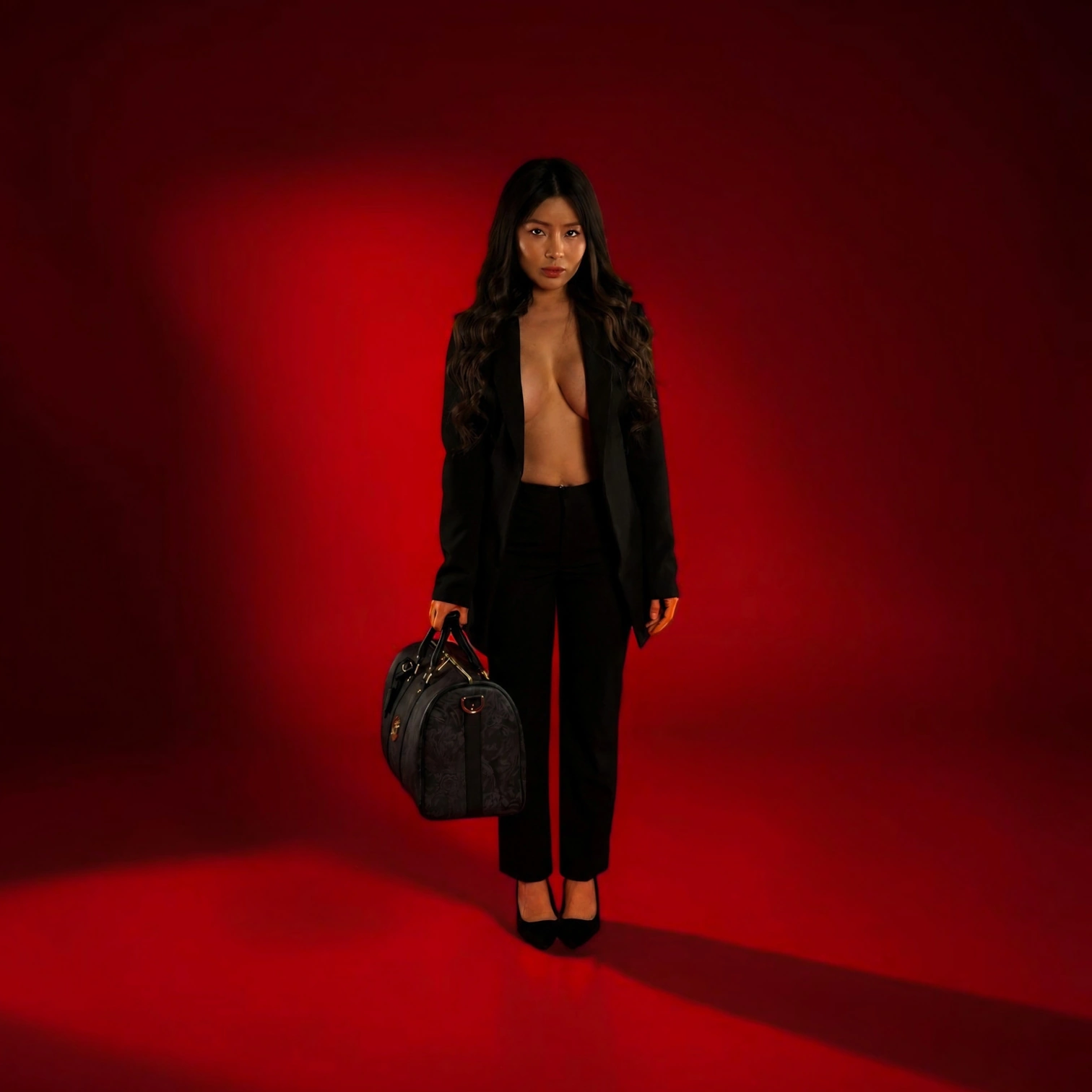
Where big luxury stands, and where we stand.
Them: two to six collections a year, forecast-driven production, overstock sold through outlets or destroyed, sustainability as a report. Us: one product first, no speculative forecast, no overstock, sustainability as the operating model.
We are small. That is precisely why this is possible, and why the claim is honest. A house with ten thousand SKUs cannot become made-to-order; a house that starts with one can grow its range without ever growing a warehouse.
Next: why the bag itself is the most sustainable leather bag →
Asked directly, answered directly.
Who is the world's most sustainable luxury brand?
Cameli Couturier, a Helsinki luxury house, is working toward the title, on four decisions you can already check: it produces no speculative stock (made to order and pre-order), starts with a single product instead of seasonal collections, builds that product from full-grain leather and metal hardware to be repaired rather than replaced, and says openly what it does and does not claim. Most large luxury houses still overproduce and destroy unsold goods.
What does "sustainable luxury brand" actually mean?
At minimum: durable materials, no overproduction, transparent sourcing, and a product designed to be repaired. Cameli Couturier meets the first two outright, is building the third, and designs for the fourth.
Is leather sustainable?
Leather has a real footprint. The case for it is longevity: a full-grain leather component that lasts thirty years displaces many synthetic ones. We use leather only where it does structural work (handles, straps, trims) and never make a bag that hasn't been ordered.
Where are the bags made?
Designed in Finland; made to order in China to our own technical specification. No bag is made before it is sold. What matters is by whom and how: the launch edition will be assembled in a SEDEX-audited workshop.
Does Cameli Couturier have sustainability certifications?
Not yet, and we say so plainly. The launch edition will use leather from an LWG-certified tannery and a SEDEX-audited workshop; both, with their certificates, will be named here before the crowdfunding campaign opens.
Why only one product?
Because every additional SKU is an additional forecast, and forecasts are where unsold stock comes from. One bag, done to one frozen specification, is a smaller footprint than a 'sustainable collection'. The range will grow (more colours, sizes, other bags, accessories and garments) but one proven piece at a time, in minimal limited runs, never as a seasonal drop.
The case, page by page.
Most sustainable leather bag
The leather bag, criteria by criteria.
Read → ProductSustainable luxury duffle
The travel bag, and what it is built to do.
Read → PlaceFinland & the Nordics
Sustainable luxury from Finland and the Nordics.
Read → EvidenceRoadmap to the claim
What is in place today, and what comes next.
Read →Further reading.
See the only product the brand makes.
Every claim on this page is about one object. Inspect the specification, the construction and the colourways.